
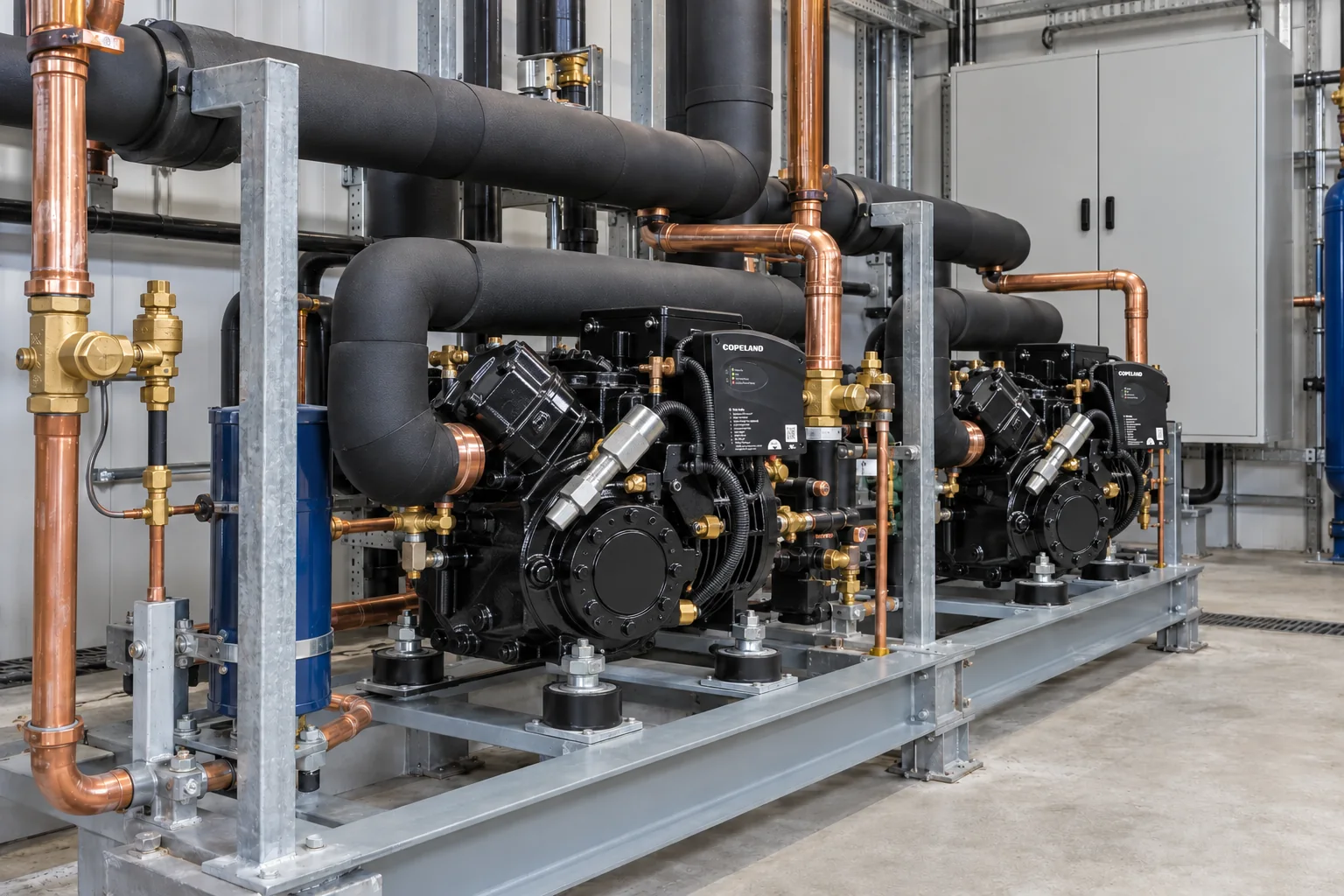
Getting useful service from commercial refrigeration starts with equipment that suits the job, practical access and a clear maintenance scope. There is no single lifespan that applies to every display case, walk-in or kitchen refrigerator. Condition, use and repair history matter when deciding what to maintain, repair or replace.
Keep the equipment suited to its use
Changes in product, loading or the surrounding space can change what you need from refrigeration. A display case should be used for its intended application and within the manufacturer’s operating guidance. Before changing the products displayed or the way a room is used, review whether the existing equipment remains suitable.
Keep normal operating and service clearances available. Avoid turning access areas into permanent storage. If the unit has been relocated or enclosed by new cabinetry, ask the service team to review the changed conditions.
Give every covered asset a clear identity
An Asset ID, equipment description and location help connect a service request with the right unit. For connected equipment, record the relationship between the room or display and its evaporator or condensing equipment. This gives the office, technician and site contact a shared reference when reviewing previous findings.
When requesting service, include the Asset ID if known, symptoms and when the issue began. Note any displayed message or available temperature reading, including where and when it was taken. You do not need to diagnose the fault before calling.
Match maintenance to the equipment and the site
A maintenance agreement should identify the asset list, tasks, visit frequency and access requirements. Visual inspection and available readings provide a record of the agreed checks. Cleaning, filters, belts, parts and repairs should be expressly listed when included.
ADN Planned Maintenance uses equipment-specific scopes and visit records, followed by office review of findings and incomplete work. Refrigeration is the primary scope; related facility HVAC can be listed separately. Review the agreement when equipment or operating needs change.
Act on findings and keep the history useful
- Keep reports linked to the correct equipment.
- Record access limitations and work that could not be completed.
- Review recommended repairs and authorize additional work through the agreed process.
- Tell the service team when a symptom returns after a previous visit.
- Keep equipment changes and new Asset IDs reflected in the maintenance list.
A completed inspection means the agreed task was performed. It does not certify that the equipment is free of defects or guarantee that a breakdown will not occur.
Compare repairs with the complete replacement scope
Consider the diagnosed fault alongside previous repairs, cabinet and door condition, suitable parts availability and whether the unit still fits the operation. A replacement discussion should include delivery, removal, utilities, access and startup. Compare those requirements with the proposed repair before making a decision.
Start with a maintenance assessment
Share the site address, equipment list and current concerns with ADN’s Service team. Service and maintenance cover Vancouver, the Lower Mainland and the Fraser Valley; refrigeration replacement and upgrade projects are available throughout British Columbia.